New Berlin's Local Foundation & Basement Specialists
Structural Foundation Repair in New Berlin, WI
Call 414-262-5777 — we'll diagnose it and give you a straight, written quote.
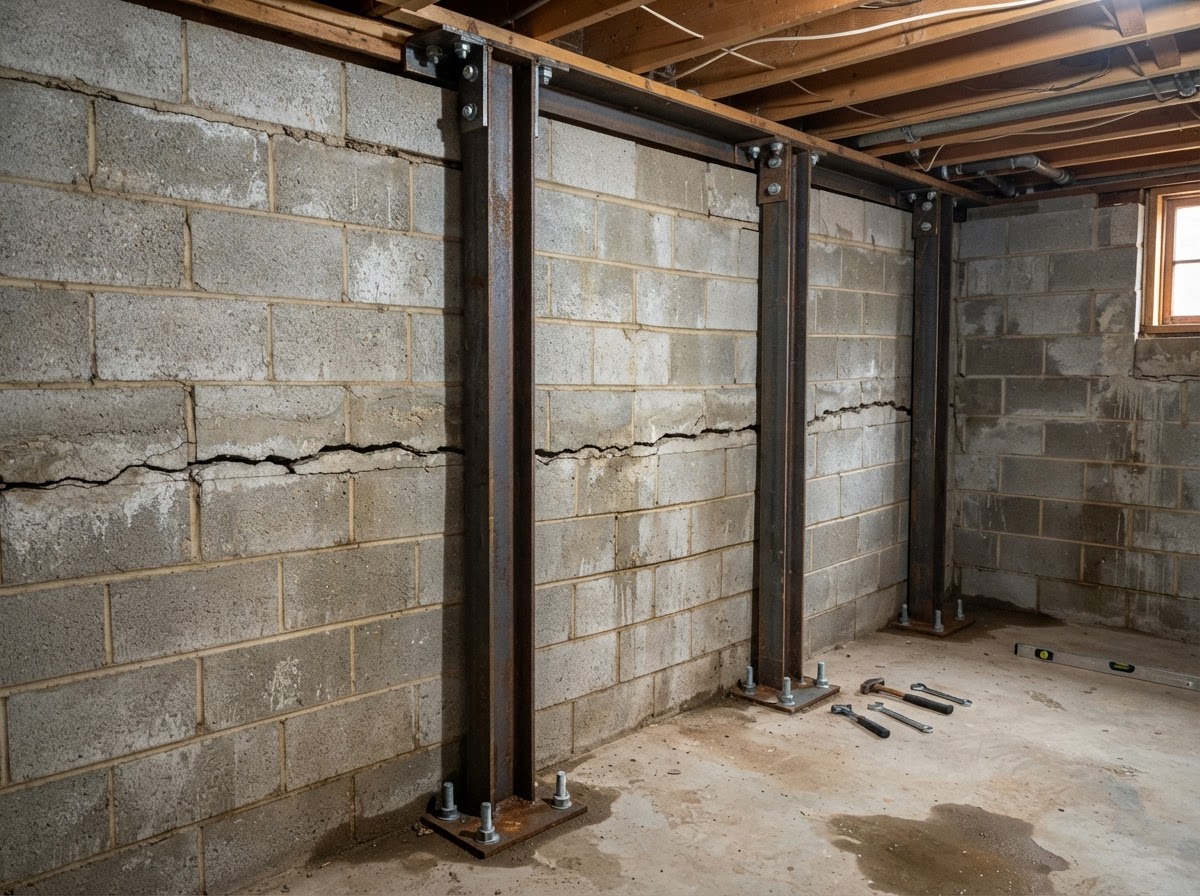
This is the page for foundation walls being pushed inward — bowing, leaning or bulging block walls, horizontal cracks along a mortar joint, walls sliding in at the bottom or tipping at the top. It's lateral movement, not the vertical settling we cover on a separate page. Soil pressure from waterlogged, frozen ground is usually the force behind it.
We stabilize and often straighten the wall with steel beam bracing, wall anchors, or carbon fiber reinforcement, and we excavate and rebuild when a wall has gone too far. The right fix depends on how far the wall has moved and how much of it is still sound — we measure before we recommend.
A Bowing Wall Moves One Way
Once a block wall in a New Berlin basement starts bowing inward, the frozen, saturated clay outside only pushes harder with every winter — the wall never pushes back on its own. That horizontal crack along the mortar joint is the hinge point, and each freeze-thaw cycle bends the wall a little more past the point a simple brace can handle. Measuring how far it's moved now decides whether steel beams, anchors, or carbon fiber can still hold it — or whether it's waited too long and needs rebuilding. Catching it early is the difference between a brace and a far bigger job.
Call 414-262-5777Request Your Free Estimate
Tell us what you're seeing. No obligation.
Proud to Serve New Berlin & Southeastern Wisconsin
We work across the whole region. Tap your town for local details.
What's Included
Wall deflection measurement
We measure exactly how far the wall has bowed or leaned before recommending a fix.
Steel beam bracing
Steel I-beams bolted to the wall and floor to stop inward movement and hold the wall plumb.
Wall anchors
Tie the wall to buried plates in the yard and can pull the wall back toward plumb.
Carbon fiber reinforcement
Low-profile straps bonded to the wall for walls with limited movement and a flat surface.
Excavation & rebuilding
When a wall has moved too far to brace, we excavate and rebuild it right.
Why This Happens in New Berlin
Bowing walls are a southeastern Wisconsin problem because of what's in our soil and what our winters do to it. The glacial till under New Berlin is full of heavy clay that holds water against basement walls instead of draining it. When that saturated clay freezes — and our winters freeze the ground several feet deep — it expands and pushes inward on the wall with enormous force. Repeated freeze-thaw cycles widen the horizontal cracks year after year until the wall starts to give.
Most homes here were built from the 1950s through the 1990s with concrete-block basements, and block walls are especially vulnerable to lateral pressure because the mortar joints are the weak points — that's where horizontal cracks open as the wall bows. The older lakeshore homes in Cudahy, South Milwaukee and Milwaukee, many from the early 1900s with aging block walls and clay drain tile, are particularly at risk. A downspout dumping water against one corner is often all it takes to start a wall bowing.
Prevention Tips
Keep water away from the wall so the soil against it never gets saturated and frozen. Clean gutters and extend downspouts well away from the foundation, and grade soil so it slopes away on all sides. Watch for the early sign — a horizontal crack along a mortar joint, often with a slight inward bulge — and get it measured before it gets worse. A wall that's bowed an inch is usually braced; a wall that's bowed four inches may need rebuilding. Catching it early is dramatically cheaper.
Cost Guide
Every home is different, so we give you a free quote after inspection. Here's what shapes the price.
| Repair Type | Typical Price Range | What Affects Cost |
|---|---|---|
| Wall inspection & measurement | Free | We measure the deflection and tell you if bracing or rebuilding is needed. |
| Steel beam bracing | Free quote after inspection | Number of beams, wall length, and floor anchoring. |
| Wall anchors | Free quote after inspection | Number of anchors, yard access for excavation, and whether the wall can be pulled back. |
| Carbon fiber reinforcement | Free quote after inspection | Number of straps and wall surface prep. |
| Excavation & wall rebuild | Free quote after inspection | Wall length, depth of excavation, and whether the footing needs work. |
Why Choose Us for Foundation Repair
Measure before we recommend
We tell you exactly how far the wall has moved and what that means for the fix.
Right method, not priciest
Beams, anchors, or carbon fiber — we match the method to the wall, not the invoice.
Honest about rebuild
If a wall is too far gone to brace, we say so instead of selling a fix that won't hold.
Get Your Free Estimate
Tell us what you're seeing and we'll come take a look — no pressure, no obligation.
Our Process
Call or request
Tell us about the bowing wall or horizontal crack.
Inspect & measure
We measure the deflection and assess the wall and the water behind it.
Written quote
You get a clear stabilization plan and price, no obligation.
Stabilize & verify
We brace, anchor, or rebuild and confirm the wall is held plumb.
Foundation Repair FAQ
Can a bowing block wall be fixed without rebuilding it?
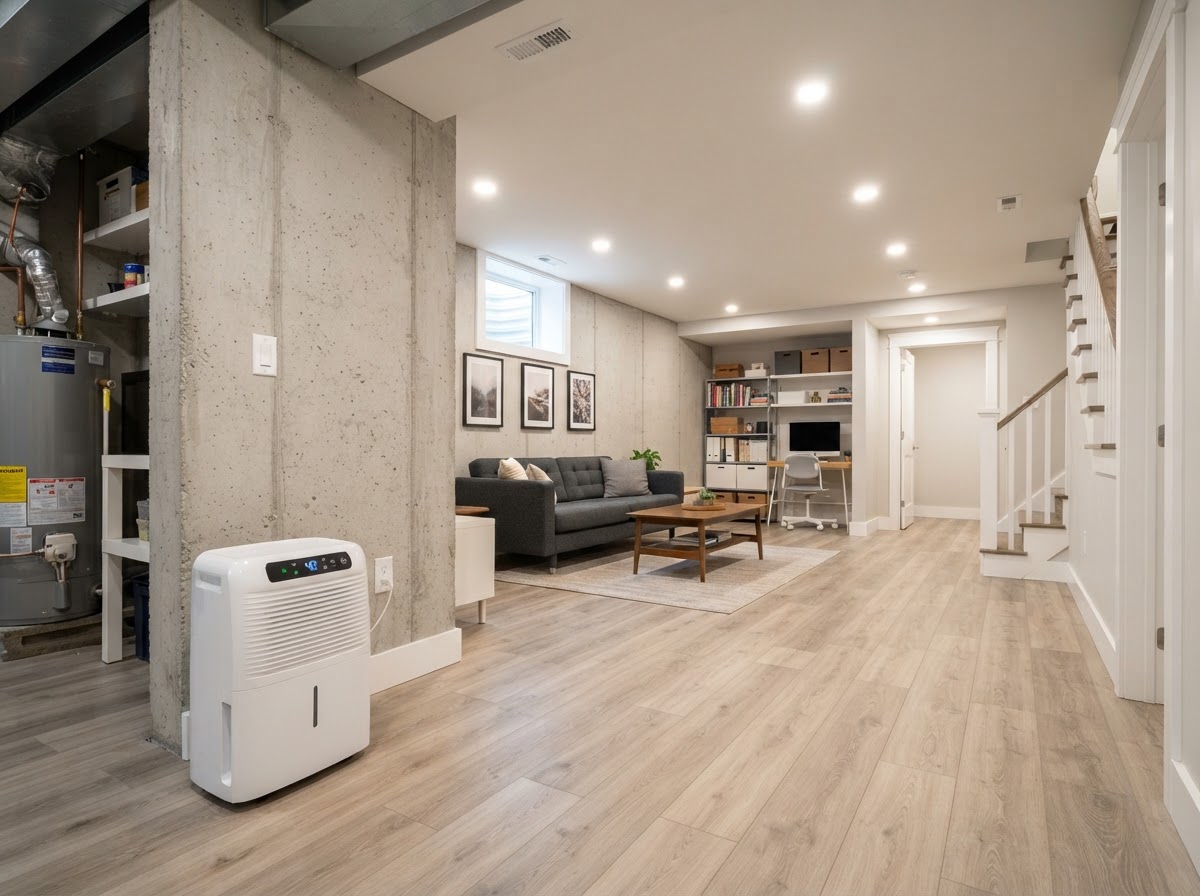
Often, yes — if it's caught before it's gone too far. Steel beam bracing, wall anchors, and carbon fiber reinforcement can stabilize and sometimes straighten a bowing block wall without tearing it out and rebuilding it. The right approach depends on how far the wall has moved inward and how much of it is still sound. We measure the deflection before we recommend anything. Once a wall has moved too far, excavation and rebuilding becomes the safe option.
What's pushing my wall inward?
Almost always it's soil pressure from waterlogged, frozen ground against the outside of the wall. The heavy clay around here holds water against the foundation, and when that saturated soil freezes it expands and pushes hard. Poor drainage, a downspout dumping water against the wall, and a lack of proper backfill all make it worse. Fixing the wall without fixing the water usually means it bows again.
Steel beams, wall anchors, or carbon fiber — which is right?
It depends on the wall and how far it's moved. Steel I-beam bracing is strong and works for walls that have bowed significantly. Wall anchors tie the wall to plates buried in the yard and can pull it back toward plumb. Carbon fiber straps are low-profile and great for walls with limited movement and a fairly flat surface. We measure the wall and recommend the right one — not the most expensive one.
When does a wall have to be rebuilt?
When the wall has bowed or leaned too far to safely brace, when the block is badly cracked or sheared, or when the footing has slid. At that point excavation and rebuilding the wall is the safe, lasting fix. We'll tell you honestly if you're at that point rather than selling you a brace that won't hold.
Our Other Services
Sump Pump Repair
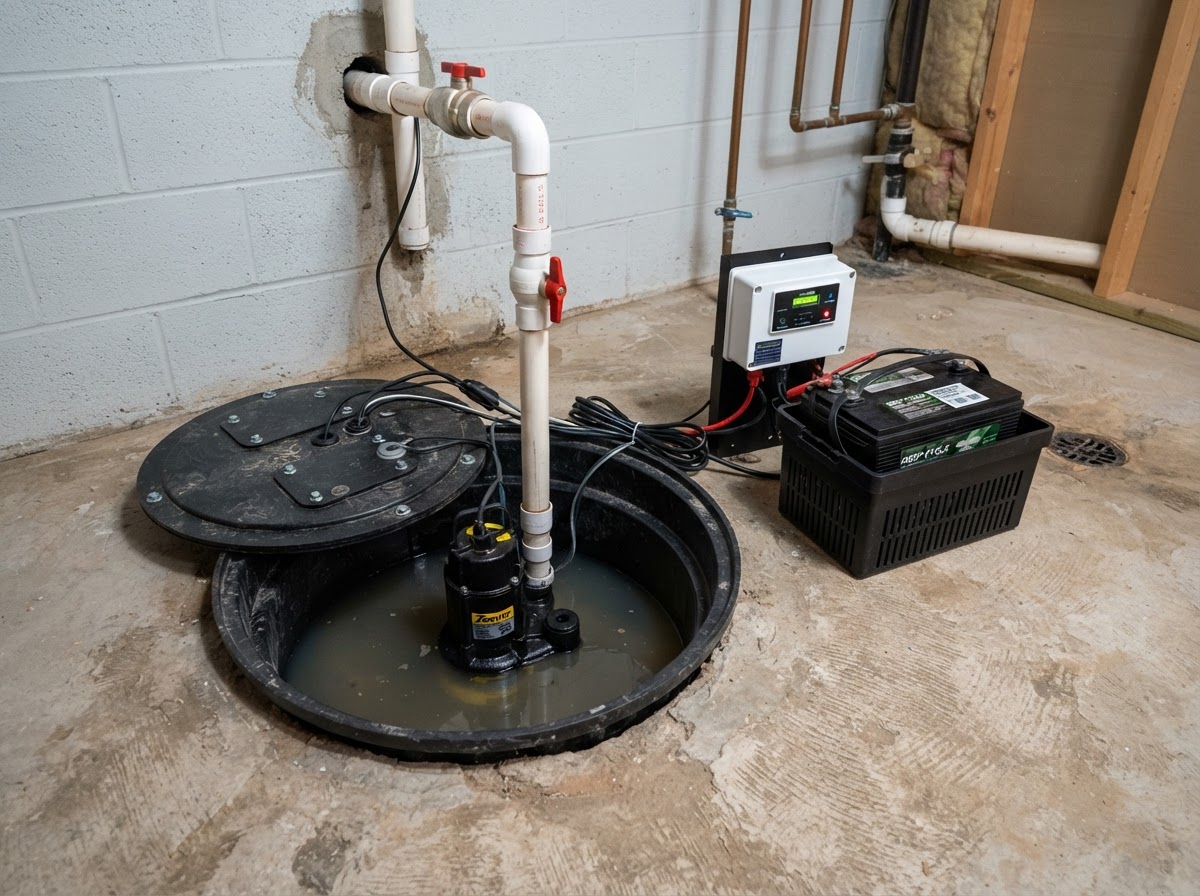
Fix pumps that won't start, run nonstop, cycle constantly or fail in a storm.
Learn more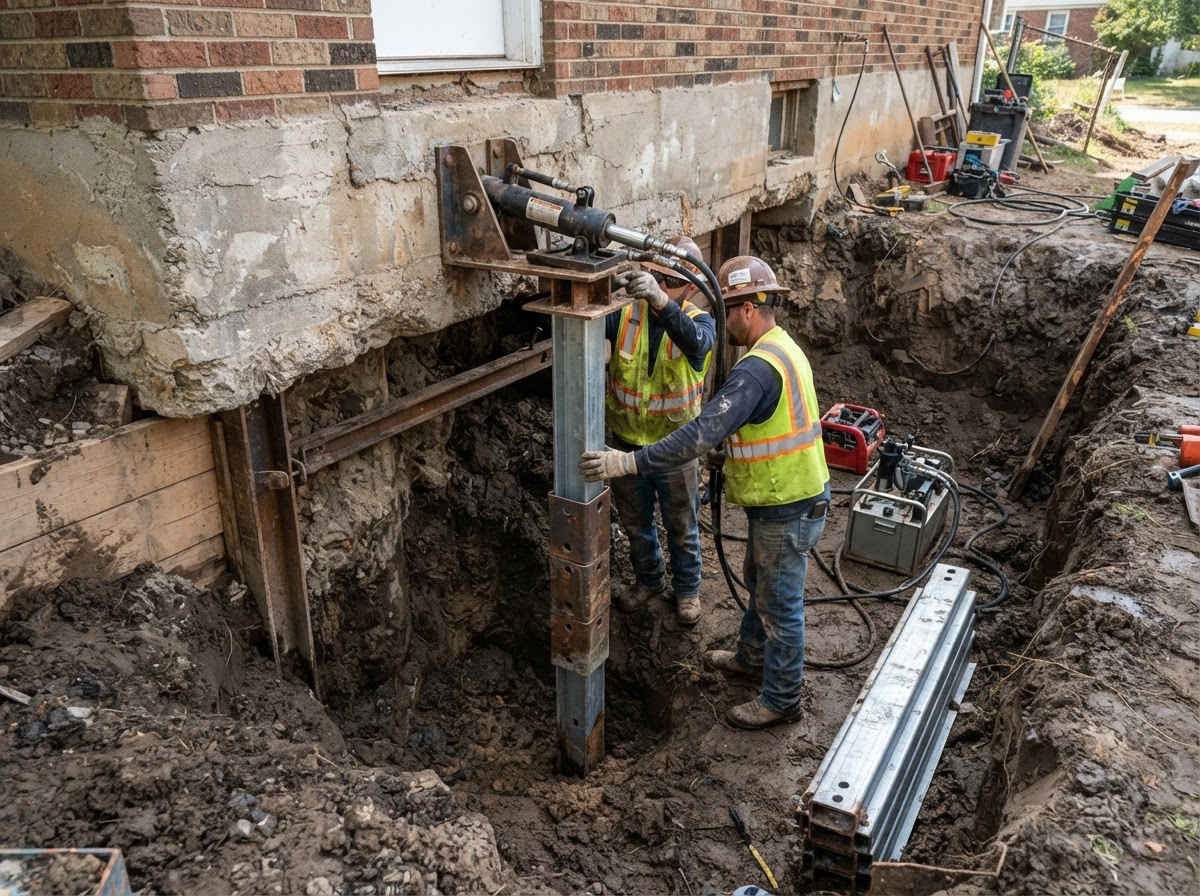
Foundation Settling Repair
Stop a sinking home — sloping floors, sticking doors and stair-step cracks.
Learn more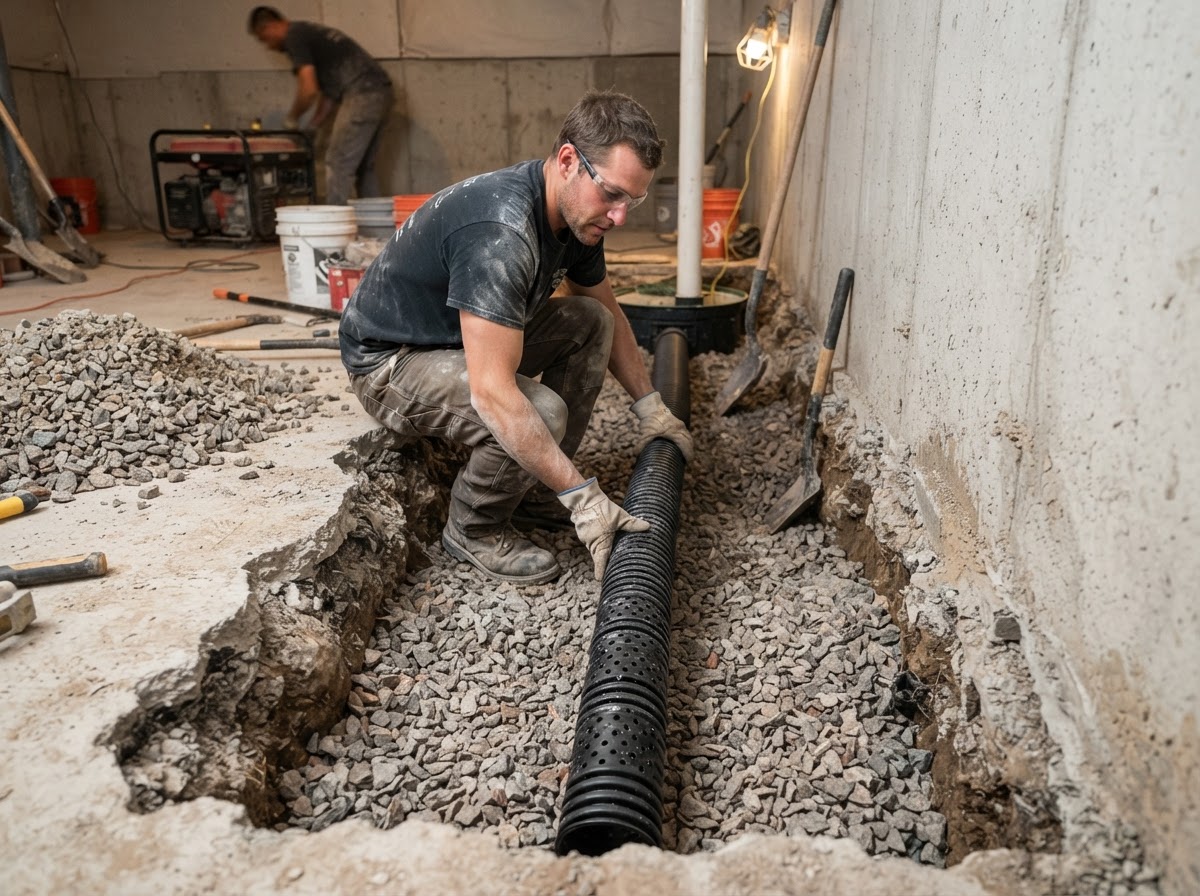
Basement Waterproofing
Keep water out — seepage at the floor-wall joint, wet walls and puddles.
Learn moreBasement Wall Crack Repair
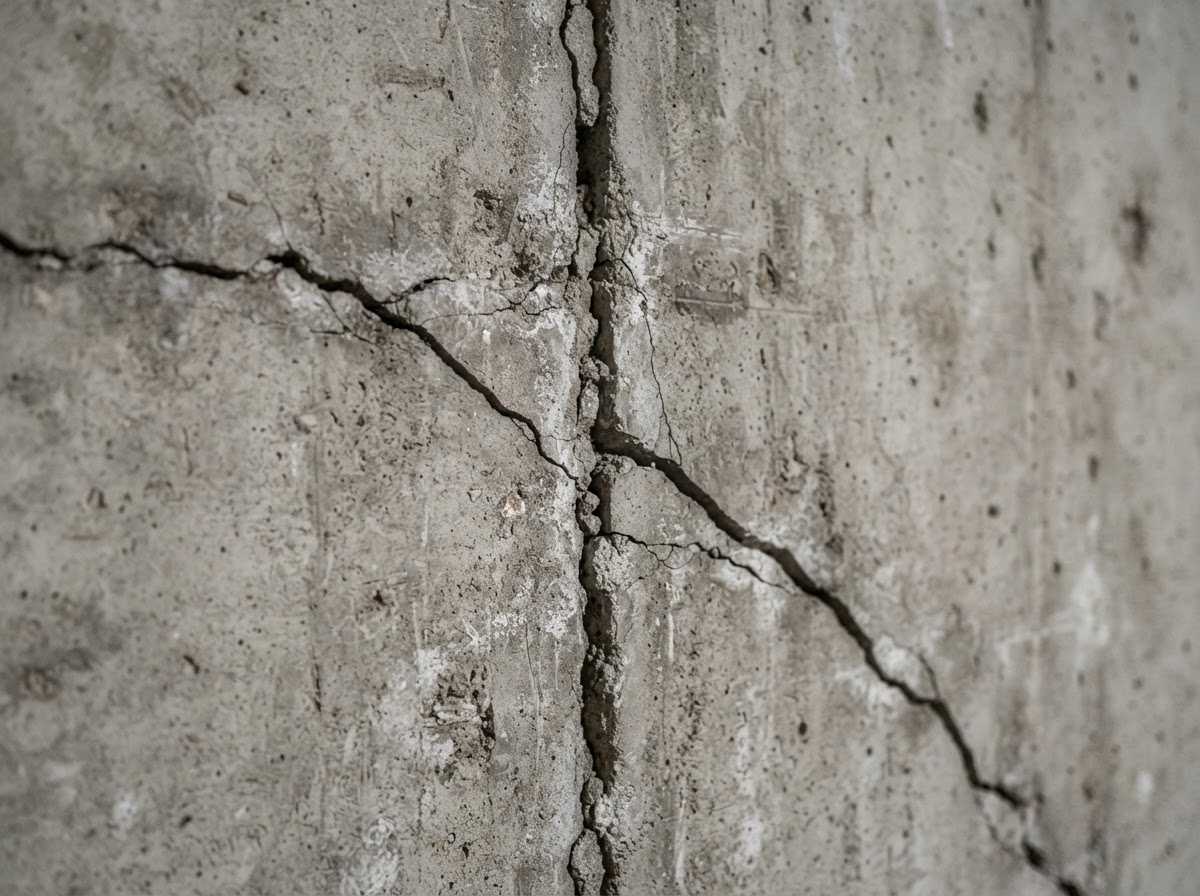
Diagnose and seal vertical, diagonal, stair-step and horizontal cracks.
Learn more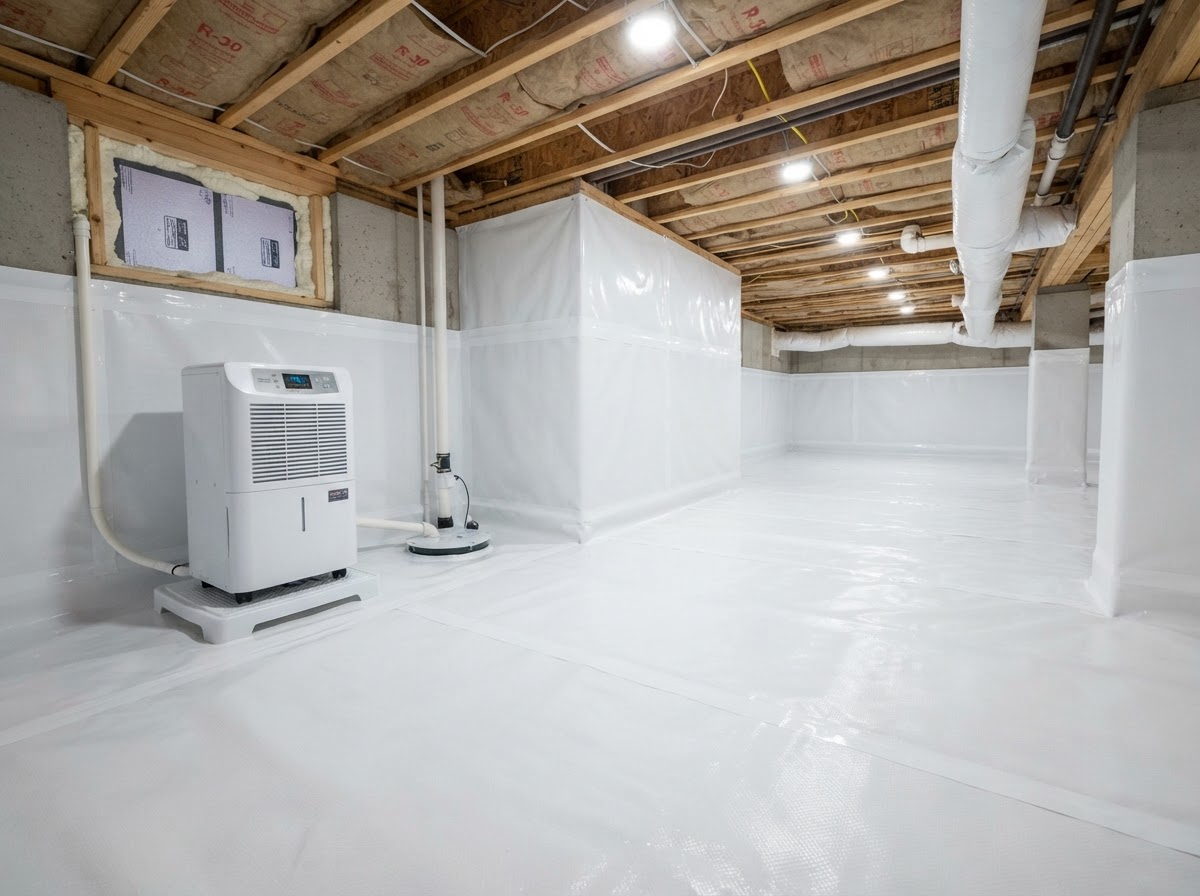
Crawl Space Encapsulation
Seal a crawl space — vapor barrier, dehumidifier, insulation, vent sealing.
Learn more